
How Play Builds Problem Solving in Kids in Glenelg, MD
Play is often seen as simple fun for children, but research and early childhood education experts know that play is one of the most powerful tools for learning. At preschools and childcare programs in Glenelg, Maryland, play is intentionally incorporated into daily activities because it helps children develop critical life skills—especially problem solving. Understanding how play builds problem solving in kids in Glenelg, MD can help parents appreciate why play-based learning is so valuable during the early years.
Why Play Is Essential for Early Learning
Children learn best through hands-on experiences. When kids play, they are experimenting with ideas, exploring their environment, and figuring out how things work. Play naturally encourages children to ask questions such as:
“What happens if I stack these blocks higher?”
“How can I build a bridge for my toy cars?”
“What should we do next in our game?”
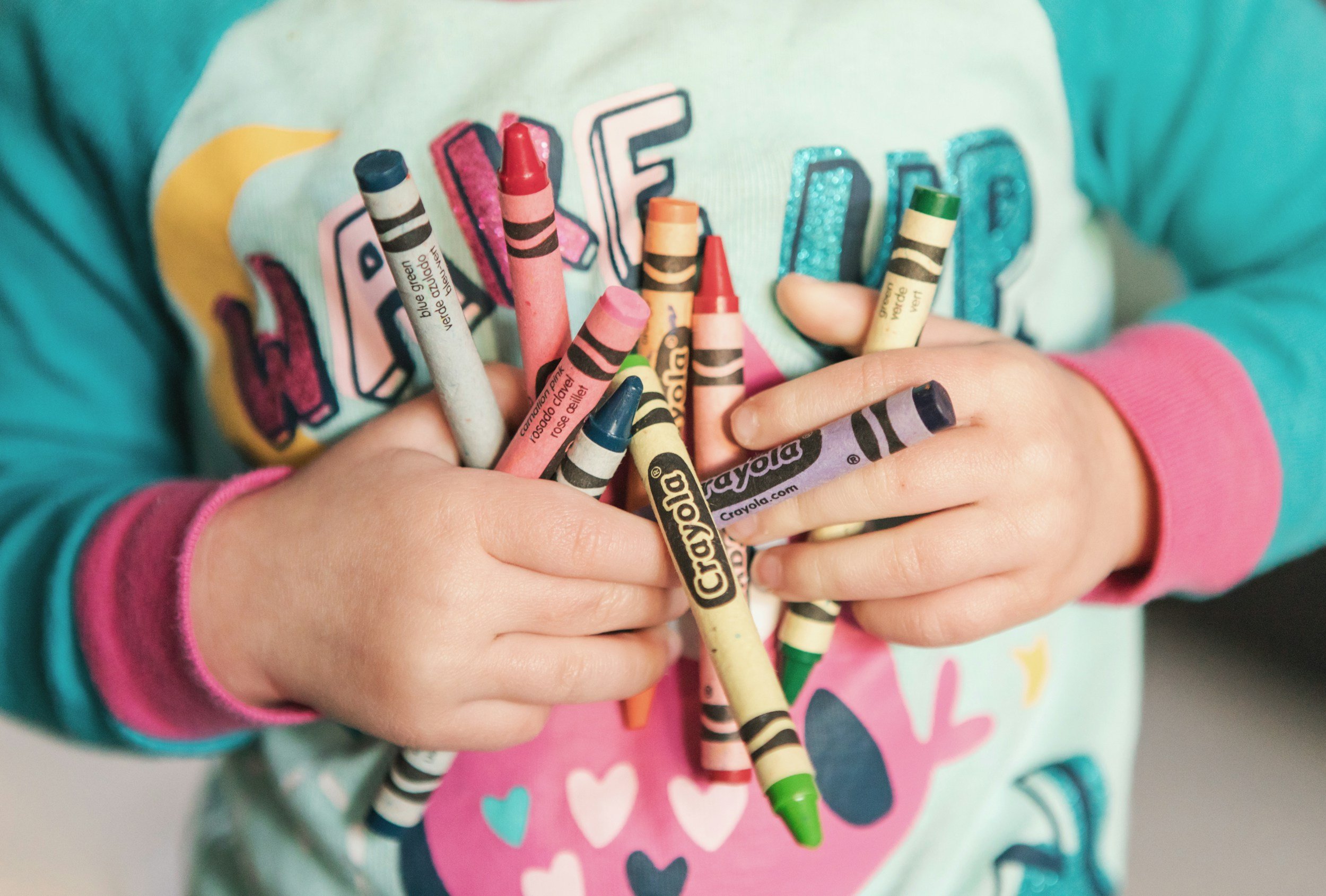
These questions are the beginning of problem solving.
Through play, children learn to test ideas, adapt when something doesn’t work, and try again. This trial-and-error process strengthens their confidence and cognitive development.
Building Critical Thinking Through Play
Play-based activities help children think creatively and independently. For example, when children build with blocks or create structures with building toys, they quickly realize that certain designs work better than others. If their tower falls down, they learn to adjust their approach.
These small moments are powerful learning opportunities. Children are practicing skills like:
Planning and decision making
Cause-and-effect reasoning
Persistence and resilience
Creative thinking
These experiences demonstrate how play builds problem solving in kids in Glenelg, MD, helping them develop the foundation for academic success later in school.
Social Play and Team Problem Solving
Problem solving doesn’t always happen alone. Many of the most important learning moments occur when children play together.
Group play teaches children how to:
Share ideas
Listen to others
Work through disagreements
Collaborate to achieve a goal
For example, when children create a pretend restaurant or build a fort together, they must negotiate roles, solve disagreements, and figure out how to make their game work. These social experiences strengthen communication skills and emotional intelligence.
At quality preschool programs, teachers guide these interactions and help children develop healthy ways to approach challenges.
Outdoor Play Encourages Exploration
Outdoor play is another important part of early childhood development. Running, climbing, exploring nature, and playing games all require children to assess situations and make decisions.
Outdoor environments encourage curiosity and experimentation. Children might figure out how to cross a small stream, build a sandcastle that doesn’t collapse, or create a game with their friends. These experiences naturally reinforce how play builds problem solving in kids in Glenelg, MD by giving children real-world opportunities to think critically and adapt.
Play-Based Learning in Early Childhood Education
High-quality preschools intentionally design activities that encourage play and exploration. Art projects, sensory play, building stations, dramatic play areas, and outdoor exploration all create opportunities for children to solve problems in a fun and supportive environment.
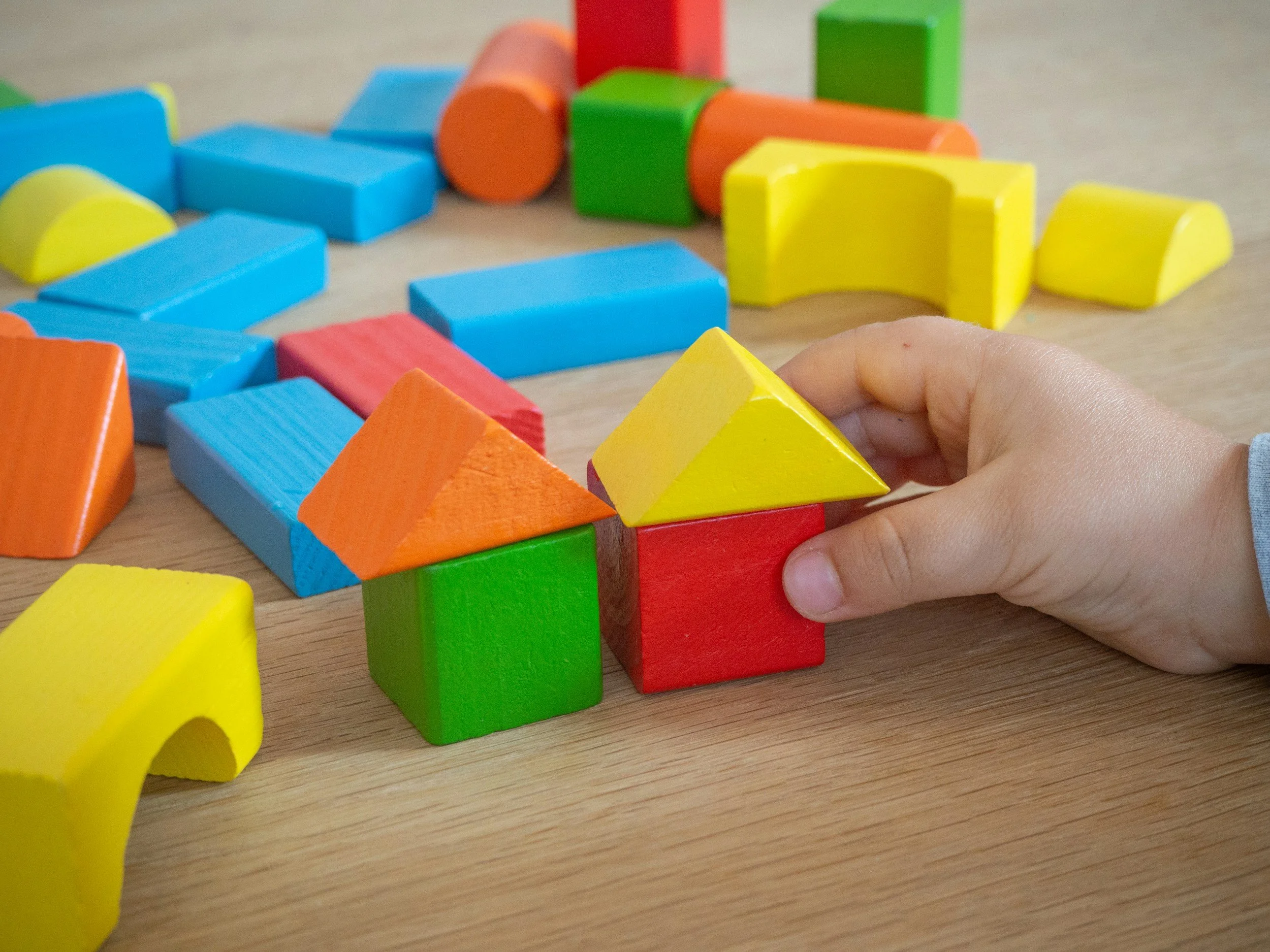
Play-based learning allows children to:
Develop independence
Practice decision-making
Gain confidence in their abilities
Strengthen creativity and curiosity
These early skills have long-term benefits. Children who develop strong problem-solving abilities in preschool often carry those skills into elementary school and beyond.
Supporting Your Child’s Development
Parents can also encourage problem-solving skills at home by giving children time for unstructured play. Building with toys, solving puzzles, exploring outdoors, and imaginative play are all excellent ways to support early learning.
When adults allow children to experiment, make mistakes, and try again, they are helping them build resilience and confidence.
Play is much more than entertainment—it is one of the most powerful ways children learn about the world around them.
Connect With Us
If you’d like to learn more about our programs or how we support early childhood development through play-based learning, we’d love to hear from you.
Contact us: https://www.yourjourneyschool.com/contact
Follow us on social media:
Facebook: https://www.facebook.com/yourjourneyschool
Instagram: https://www.instagram.com/yourjourneyschool
At Your Journey School, we are proud to support families and children across Howard County through nurturing, play-based education.