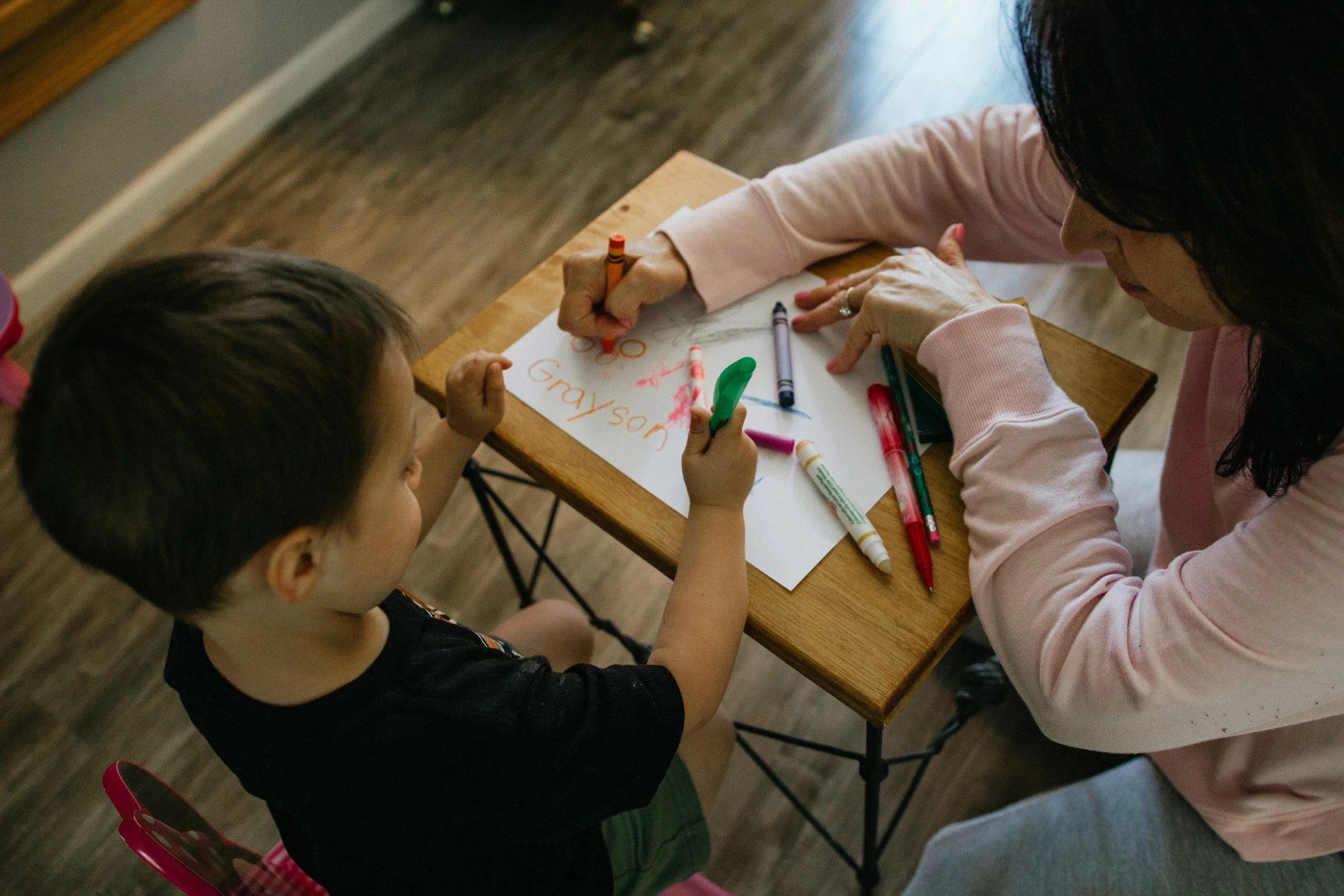
Kindergarten Readiness in Howard County, MD
Academic Skills vs. Social Skills — What Matters More?
As kindergarten approaches, many parents begin to wonder: Is my child ready? Should they already be reading? Counting to 100? Writing full sentences? Or is something else more important?
The truth is, kindergarten readiness in Howard County, MD is about much more than knowing letters and numbers. While early academic exposure is helpful, research and kindergarten teachers consistently agree: social and emotional skills are just as — if not more — important than academic ability when it comes to long-term success.
So what matters more?
The Role of Academic Skills
There’s no doubt that foundational academic skills help children feel confident when they enter kindergarten. Recognizing letters, identifying basic sight words, counting objects, and writing their name can make the classroom environment feel familiar and less overwhelming.
Common academic readiness skills include:
Recognizing most uppercase letters (and some lowercase)
Counting to 20 and understanding one-to-one correspondence
Identifying basic shapes and colors
Holding a pencil correctly
Writing their first name
Listening to and retelling simple stories
These skills provide a strong starting point, but here’s what’s important: kindergarten teachers expect a wide range of abilities on the first day. Academic skills can be taught and strengthened throughout the year. They are part of the kindergarten curriculum.
What teachers cannot “teach” as quickly — and what has a greater impact on classroom success — are social and emotional skills.
Why Social Skills Often Matter More
Imagine a child who can read simple books but struggles to sit in a group, follow directions, or manage frustration. Now imagine a child who doesn’t yet recognize all their letters but can listen, cooperate, and try again after making a mistake.
Which child is more prepared to thrive?
Social and emotional readiness lays the foundation for learning. When children can regulate their emotions, interact positively with peers, and follow routines, they are better able to absorb academic instruction.
Key social-emotional readiness skills include:
Taking turns and sharing
Following multi-step directions
Managing big feelings without frequent meltdowns
Asking for help when needed
Working independently for short periods
Listening when others are speaking
Showing empathy and kindness
Kindergarten classrooms are busy, collaborative environments. Children spend much of their day working in groups, transitioning between activities, and navigating peer relationships. A child who can confidently handle these interactions will adapt more smoothly — even if they are still mastering letter sounds.
Independence Is a Big Factor
Independence is another major component of readiness that often gets overlooked. Can your child:
Open their lunchbox?
Use the restroom independently?
Put on their coat?
Clean up after an activity?
These seemingly small tasks build confidence and reduce stress during the school day. When children feel capable in managing their basic needs, they can focus more energy on learning.
So… What Matters More?
The answer isn’t strictly academic skills or social skills — it’s balance. However, if one area deserves extra attention before kindergarten begins, it’s social-emotional development.
Academic skills can develop quickly once formal instruction begins. Social-emotional growth takes time, modeling, and consistent practice.
Children who are curious, resilient, cooperative, and confident learners are positioned for long-term success — regardless of whether they can read on day one.
How Parents Can Support
The good news? You don’t need flashcards for hours each day to prepare your child.
Instead, focus on:
Reading together daily
Encouraging play-based learning
Practicing routines (lining up, cleaning up, taking turns)
Talking about feelings and problem-solving together
Giving your child small responsibilities at home
Providing opportunities to play with peers
Through play, conversation, and daily routines, children naturally build both academic foundations and social competence.
Overall…
Kindergarten readiness in Howard County, MD is the beginning of a learning journey — not a final exam. Children grow at different rates, and readiness is not a race.
If your child can listen, try new things, recover from mistakes, and interact kindly with others, they are well on their way.
Academic skills matter. Social skills matter. But the ability to engage confidently in a classroom community is what truly sets the stage for success. At Your Journey Preschool, Kindergarten readiness in Howard County, MD is incorporated both into our daily day-to-day to set your child up for Kindergarten success. Ready to learn more? Contact us today! You can also follow our journey on Facebook and Instagram!